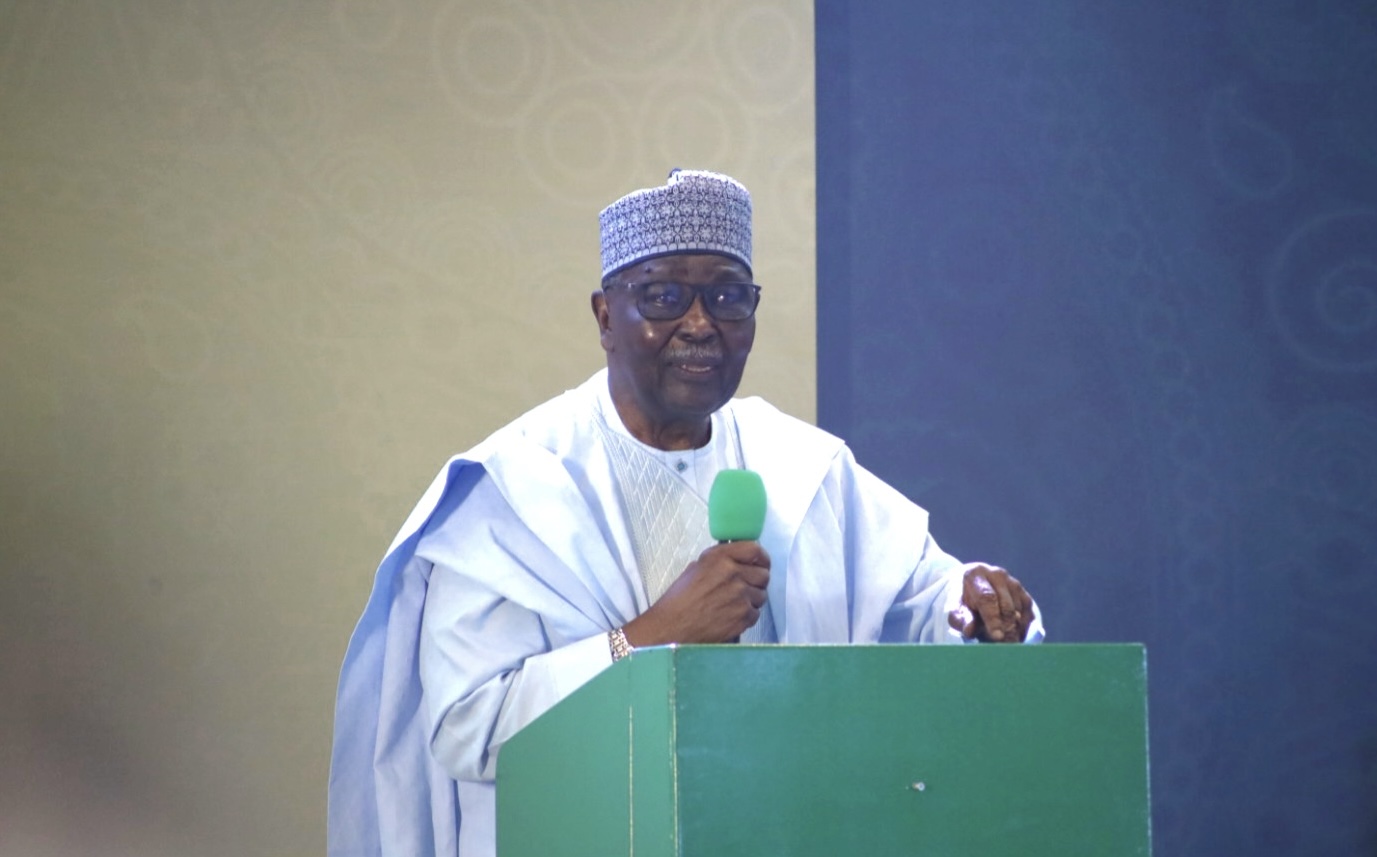
ABUJA— Former Military Head of State, General Yakubu Gowon (rtd), has expressed strong optimism that Nigeria will overcome its current socioeconomic and political challenges and remain a united entity.
Speaking on Tuesday in Abuja at the public presentation of his autobiography, ‘My Life of Duty and Allegiance’, Gowon stated that his belief in the oneness of Nigeria has remained unwavering since his time in office.
“During my time as Head of State, the country did not fall, and I remain confident that despite all her challenges, Nigeria will still not fall,” Gowon said.
He added that reflecting on his years of service continues to strengthen his optimism about the country’s future, noting, “Each time I reflect on my service to this country, I become even more persuaded that Nigeria can become better and achieve her full potential as the giant of Africa.”
The former elder statesman urged Nigerians to disregard “naysayers” who consistently portray the country in negative terms. He cautioned against narratives that dismiss Nigeria as a failed state, arguing that such perspectives do not accurately reflect the country’s true realities or potential.
Turning his attention to the political climate ahead of the 2027 general elections, Gowon called for restraint among political actors. He urged citizens to “strive to contain the desperation frequently displayed by the political class,” which he noted often manifests in “do-or-die politics” and undermines the credibility of elections, including internal party contests. According to him, these political challenges have persisted since the colonial era.
Reflecting on his leadership between 1966 and 1975, Gowon stated he remains proud of those who served alongside him and the citizens who supported his administration.
He fondly recalled how encouragement from the public—including a widely circulated newspaper acronym that interpreted his name G.O.W.O.N. as “Go On With One Nigeria”—reinforced his commitment to national unity during difficult historical moments.
Gowon also recounted the delicate efforts made during the Nigerian Civil War, including the careful selection of administrators to manage the eastern region, emphasizing the importance of leaders who demonstrated courage and patriotism.
He cautioned that Nigerians must avoid actions capable of deepening division or undermining trust among the country’s diverse population.
“For that reason, we cannot afford to do anything that would harm, hurt, or leave a bad impression on the people of the East,” Gowon concluded.