….Senate charges new minister to confront ‘generator cabal’
….₦6trn debt, weak infrastructure top reform priorities
By Abiodun Sosanya
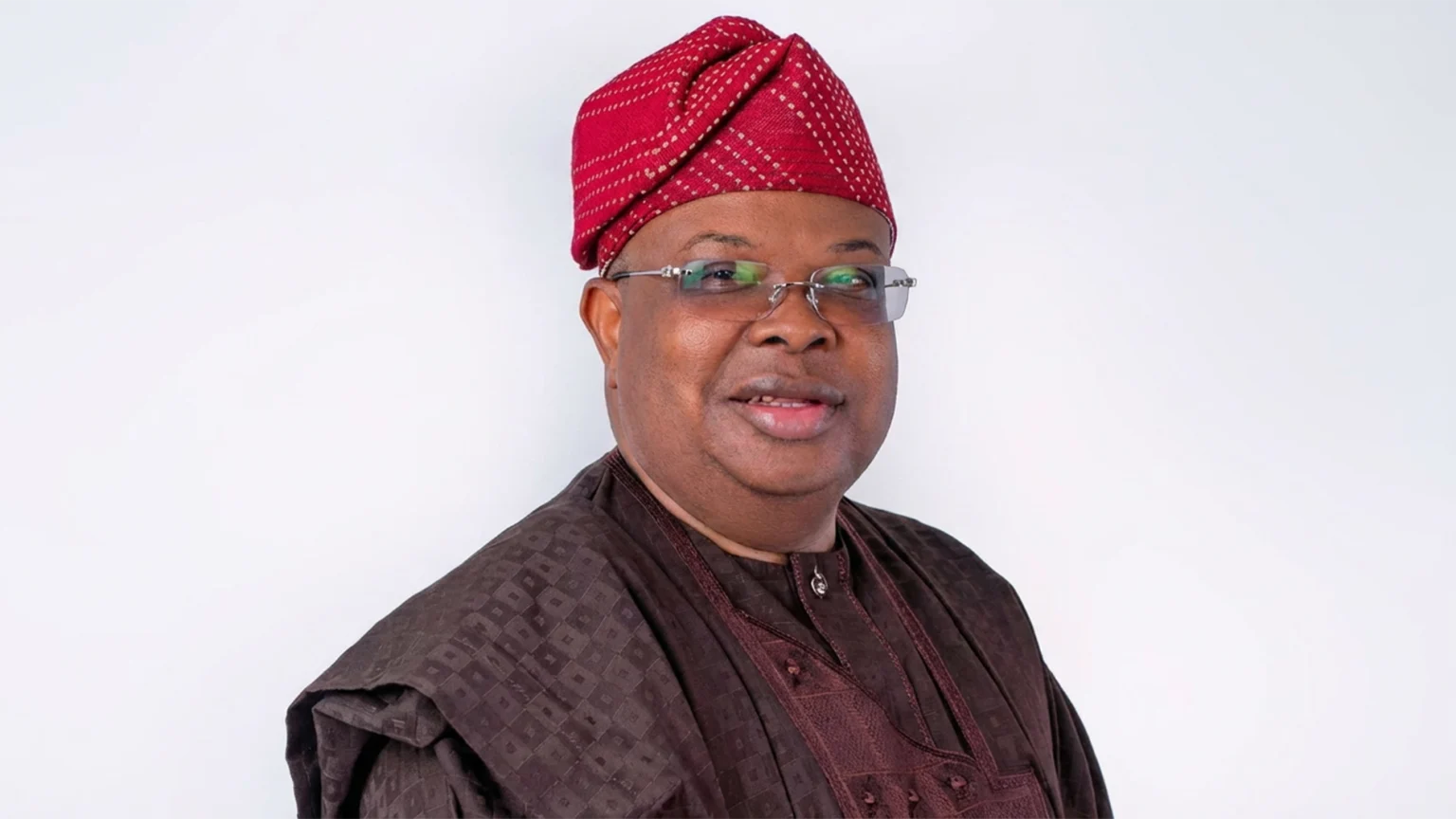
Minister of Power, Joseph Tegbe, has pledged to stabilise Nigeria’s fragile electricity grid within his first 100 days in office, setting an ambitious benchmark for reforms in one of the country’s most troubled sectors.
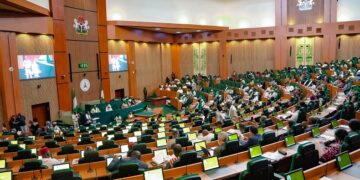
Speaking during his screening at the Senate on Wednesday, Tegbe declared that Nigerians should begin to see tangible results within three months or not expect meaningful change thereafter.
“If you don’t see this in three months, it means you won’t see it in six months. Nigerians must hold us accountable,” he said, signalling a shift from routine assurances to measurable performance.
The minister outlined immediate priorities to include stabilising the national grid, enforcing discipline across the electricity value chain, and plugging systemic leakages that have undermined efficiency over the years.
According to him, Nigeria’s power sector is weighed down by structural inefficiencies and an estimated ₦6 trillion debt burden, despite government interventions, including the securitisation of about ₦3.3 trillion.
Tegbe stressed that restoring stability would require coordinated reforms across generation, transmission and distribution, noting that improvements in one segment alone would not guarantee reliable supply.
Lawmakers, however, raised concerns over entrenched interests benefiting from persistent power failures, urging the minister to confront what they described as a “generator cabal.”
Chairman of the Senate Committee on Power, Senator Enyinnaya Abaribe, warned that a thriving generator import and sales market has created a parallel economy that feeds on the country’s unreliable power supply.
“There is a cabal you must confront, both within and outside the system. Those importing generators are thriving because power is not stable,” Abaribe said.
Former Power Minister, Senator Danjuma Goje, also cautioned against internal inefficiencies, alleging that recurring system failures often trigger lucrative maintenance contracts and questionable expenditures.
“When power goes out, some see opportunity, not crisis. You must not allow inefficiency to become a business model,” Goje warned.
He urged Tegbe to scrutinise maintenance budgets and procurement processes to prevent the recycling of systemic failures.
Beyond governance challenges, lawmakers highlighted technical constraints, noting that while Nigeria generates about 7,500 megawatts, transmission limitations restrict delivery to roughly 4,500 megawatts, with distribution companies further hampered by weak infrastructure and poor metering.
Tegbe also identified vandalism of power infrastructure and liquidity challenges as critical threats to sector stability, calling for stronger collaboration with security agencies and financial restructuring.
In a firm response, the minister vowed to disrupt entrenched interests and tighten monitoring systems across the sector.
“We will end leakages and confront those who benefit from failure,” he said, adding that improved operational discipline and stakeholder coordination would drive the reform agenda.
Following the screening, the Senate confirmed Tegbe through a voice vote, expressing confidence in his credentials but stressing that expectations remain high.